
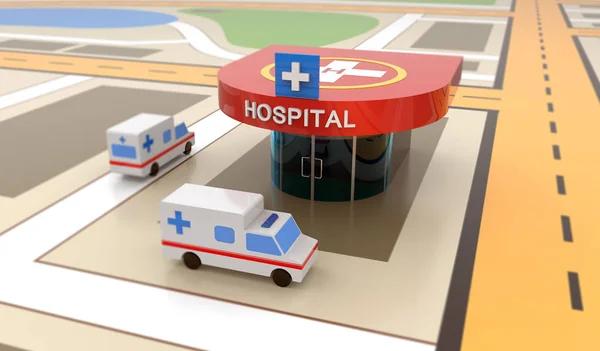
Long distance medical transport plays a critical role in ensuring that patients receive timely and appropriate care when traveling between cities. This specialized service is designed to safely transfer individuals who require medical attention during transit, whether for treatment at a specialized facility or returning home after hospitalization. Unlike standard transportation options, long distance medical transport involves trained personnel and equipment tailored to meet the specific health needs of each patient throughout the journey.
The process begins with an assessment of the patient’s condition to determine the most suitable mode of transport. Options typically include ground ambulances equipped with advanced life support systems or air ambulances such as helicopters and fixed-wing aircraft for longer distances or urgent transfers. The choice depends on factors like the patient’s stability, urgency of care required, geographic location, and availability of services. Medical professionals involved in see this page process collaborate closely with healthcare providers at both sending and receiving locations to ensure continuity of care.
During transport, patients are continuously monitored by skilled paramedics or nurses who manage vital signs, administer medications if necessary, and respond promptly to any changes in condition. Specialized equipment such as ventilators, cardiac monitors, infusion pumps, and oxygen delivery systems may be used depending on individual requirements. This level of care ensures that patients remain stable throughout their journey despite potential challenges posed by movement or environmental changes.
Coordination is essential for successful long distance medical transport. It requires careful planning regarding timing, route selection, weather conditions (especially for air travel), and legal considerations including permits across jurisdictions when crossing state lines or international borders. Additionally, communication between dispatch teams and medical staff must be seamless to address unforeseen circumstances efficiently.
Costs associated with long distance medical transport can vary widely based on distance traveled, type of vehicle used, level of care provided during transit, and insurance coverage policies. Many providers work directly with insurers to facilitate billing processes; however patients should verify coverage details beforehand to avoid unexpected expenses.
Overall, long distance medical transport serves as a vital link connecting patients with necessary healthcare resources beyond their immediate locality. It combines clinical expertise with logistical precision to overcome geographical barriers while prioritizing patient safety and comfort throughout extended journeys across cities or regions. As healthcare continues evolving toward more integrated networks spanning wider areas, these services will remain indispensable components supporting comprehensive patient management strategies nationwide.

