
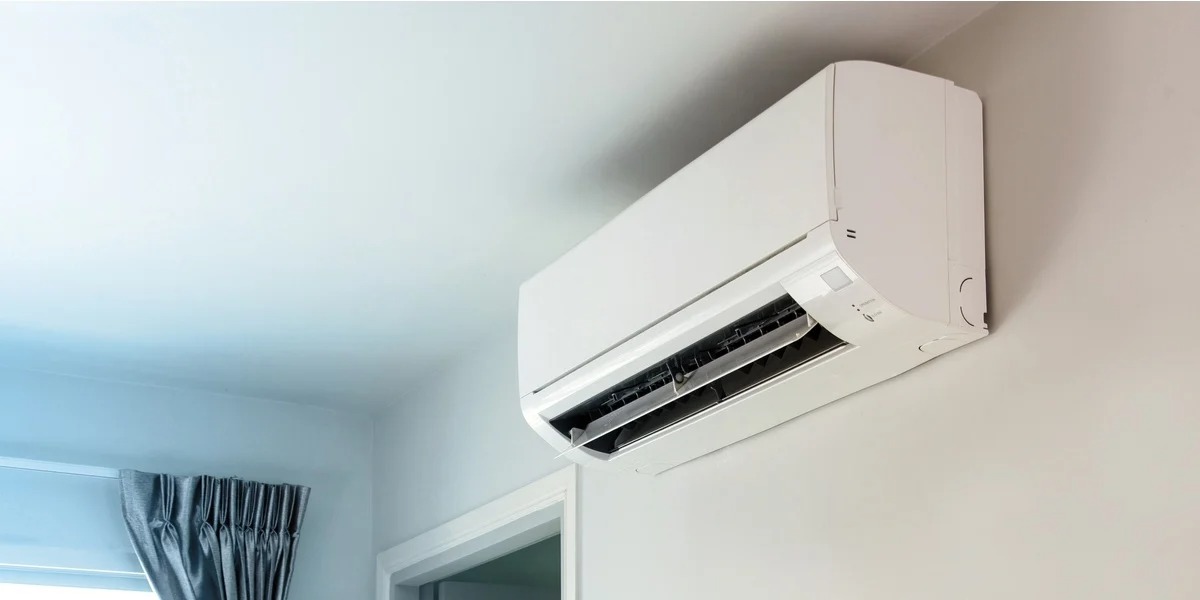
When considering options for home cooling, many people wonder whether a mini split air conditioning system is better than traditional cooling systems such as central air conditioners or window units. Mini splits have gained popularity in recent years due to their unique design and energy efficiency, but the choice depends on various factors including space, budget, and specific cooling needs. A mini split AC consists of two main components: an outdoor compressor and one or more indoor air-handling units. Unlike traditional central systems that rely on ductwork to distribute cooled air throughout the house, mini splits deliver conditioned air directly into individual rooms. This ductless feature eliminates the energy losses commonly associated with ducts, which can account for up to 30% of energy consumption in conventional systems.
One significant advantage of mini splits is their ability to provide zoned cooling. Users can control temperatures independently in different rooms, allowing for personalized comfort and potential energy savings by avoiding unnecessary cooling of unoccupied spaces. Traditional central ACs typically cool an entire home uniformly, which may lead to inefficiencies if some areas require less or no cooling at all. Additionally, installation flexibility makes mini splits appealing for homes without existing ductwork or those undergoing renovations where installing ducts would be costly or impractical.
Energy efficiency is another area where mini splits often outperform traditional systems. Many models come with high Seasonal Energy Efficiency Ratio (SEER) ratings and use inverter technology that adjusts compressor speed based on demand rather than cycling on and off repeatedly like older central AC units. This results in smoother temperature control and reduced electricity usage over time. Moreover, modern refrigerants used in mini splits tend to be more environmentally friendly compared to those found in some older conventional systems.
Despite these benefits, there are considerations that might make a traditional system preferable depending on circumstances. Central ACs generally offer higher overall capacity suitable for larger homes requiring consistent whole-house climate control through a single thermostat setup. Maintenance costs can vary; while mini splits require regular filter cleaning and occasional professional servicing similar to other HVAC equipment, repairs may sometimes involve specialized technicians familiar with ductless technology.
In summary, whether a mini split ac is better than traditional cooling systems depends largely on the size of the space being cooled, installation constraints, desired energy savings, and personal preferences regarding zoning capabilities versus uniform temperature control throughout a home. Mini splits excel in providing efficient zone-specific comfort without ducts but may not always match the capacity needs of large residences served by conventional central air conditioning setups. Evaluating these factors carefully will help homeowners choose the most suitable option for their particular situation while balancing cost-effectiveness and performance expectations effectively.
