
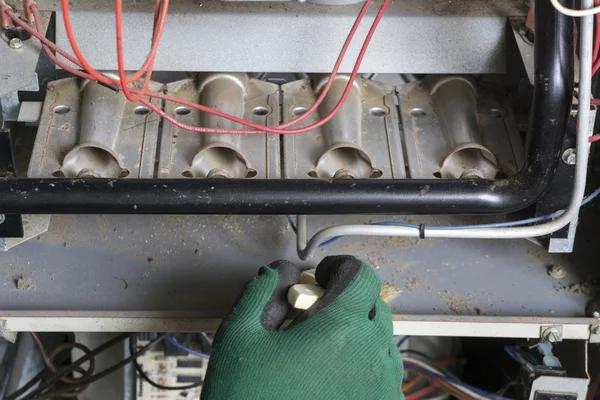
HVAC contractors often face significant challenges during seasonal peak demand periods, such as extreme summer heat or cold winter months, when the need for heating and cooling services surges dramatically. Managing this increased workload requires strategic planning and efficient resource allocation to maintain service quality and customer satisfaction. One of the primary strategies involves proactive scheduling and workforce management. Contractors anticipate busy seasons by hiring temporary technicians or cross-training existing staff well before demand peaks. This preparation helps ensure that there are enough qualified personnel available to handle service calls without excessive delays.
In addition to staffing adjustments, many HVAC companies invest in advanced dispatching software that optimizes route planning for technicians. By reducing travel time between jobs, contractors can increase the number of service calls completed each day, improving overall efficiency during high-demand periods. These technological tools often include real-time updates and allow customers to track technician arrival times, enhancing transparency and communication.
Inventory management also plays a crucial role in handling seasonal spikes effectively. HVAC contractors maintain an adequate stock of common replacement parts and equipment so they can respond quickly without waiting for deliveries. Some businesses establish partnerships with suppliers to secure priority access or expedited shipping during peak times, minimizing website downtime caused by part shortages.
Customer communication is another essential element in managing seasonal demand successfully. Educating clients about maintenance schedules before peak seasons encourages preventive care that can reduce emergency repairs later on. Many contractors offer pre-season inspections or tune-ups at discounted rates to spread out workload more evenly throughout the year rather than concentrating all requests into a short period.
Furthermore, some companies implement tiered service levels or prioritize emergency repairs over routine maintenance when resources are stretched thin. Clear policies regarding response times help set realistic expectations while allowing urgent issues to be addressed promptly.
Investing in ongoing training ensures technicians stay updated on new technologies and best practices, which contributes to faster diagnostics and repairs under pressure conditions typical of peak seasons.
Lastly, leveraging data analytics enables HVAC contractors to forecast demand patterns based on historical trends combined with weather predictions, helping them allocate resources more accurately ahead of time.
By combining workforce flexibility, technology adoption, inventory readiness, customer engagement, clear prioritization policies, continuous training, and data-driven planning strategies HVAC contractors effectively manage the challenges posed by seasonal peak demands while maintaining high standards of service delivery throughout fluctuating market conditions.