
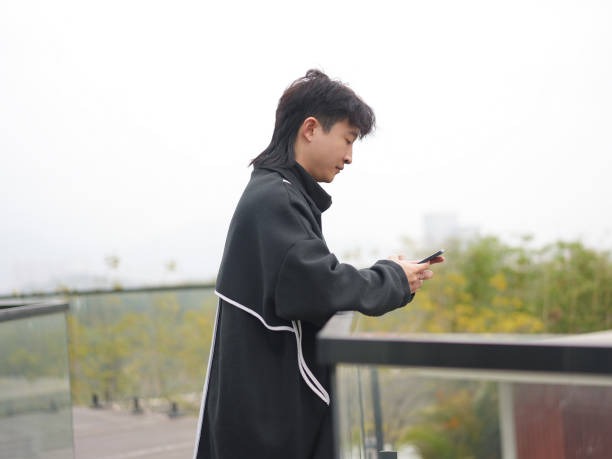
The resurgence of traditional clothing in contemporary fashion has brought the ancient Chinese attire, Hanfu, into the limelight. This garment is not merely a piece of clothing but a symbol deeply embedded in Chinese culture and history. For men, wearing Hanfu is both an expression of cultural pride and an appreciation for time-honored craftsmanship.
Hanfu, which translates to “Han clothing,” originates from the Han Dynasty (206 BC–220 AD), marking its significance as one of the oldest styles in Chinese sartorial history. It reflects thousands of years of evolution through various dynasties, each adding distinctive elements while preserving core features such as wide sleeves and flowing robes. The design emphasizes harmony with nature and balance within oneself, principles central to Confucian philosophy.
Crafting a men’s hanfu male requires meticulous attention to detail and skillful artistry. Artisans use natural materials like silk or cotton to ensure comfort and durability while maintaining authenticity. The process involves dyeing fabrics using traditional methods that employ plant-based dyes for vibrant yet subtle colors. Intricate embroidery often adorns these garments, showcasing motifs inspired by nature or mythology—dragons symbolizing power or cranes representing longevity are common themes.
The construction process itself is a testament to precise tailoring techniques passed down through generations. Each piece consists of several components: the yi (upper garment), chang (lower garment), zhongyi (inner garment), bixi (a type of knee-length skirt), among others depending on style variations across different periods and regions. These layers create an elegant silhouette that allows freedom of movement—a crucial aspect given its historical use during ceremonies or scholarly pursuits.
Beyond aesthetics, wearing Hanfu connects individuals with their heritage at a deeper level than many modern clothes can offer. It serves as a reminder of China’s rich tapestry woven from diverse ethnicities contributing unique influences over centuries—an embodiment not just limited within borders but extending globally wherever diaspora communities thrive today.
In recent years, there has been renewed interest among young people seeking identity amidst globalization’s homogenizing effect on cultures worldwide; this revival isn’t confined solely within China either—it resonates internationally too! Social media platforms play pivotal roles here by providing spaces where enthusiasts share knowledge about styling tips alongside discussions exploring historical contexts underpinning these garments’ significance throughout ages past up until present day trends shaping future directions they might take next!
Thus understanding why men choose donning them goes beyond surface-level attraction towards something visually appealing alone—it taps into collective consciousness yearning reconnect roots offering sense belonging continuity amid ever-changing world around us all alike regardless background origin story holds true timelessly so long remain cherished remembered celebrated generations come thereafter always forevermore amen indeed truly without doubt question whatsoever et cetera ad infinitum etcetera…
