
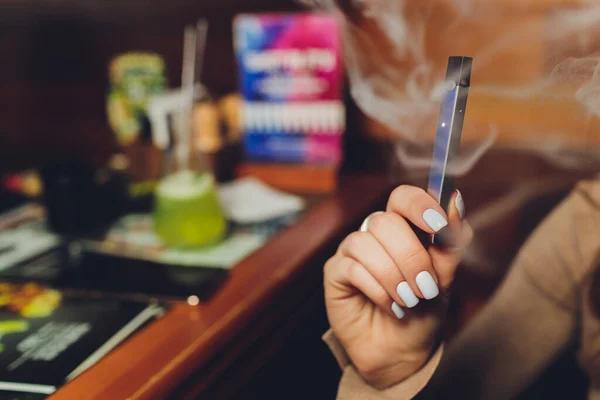
Edibles, smoking, and vaping are popular methods of consuming cannabis, each affecting the body in distinct ways due to differences in how they are processed and absorbed. Understanding these differences is crucial for users seeking specific effects or therapeutic benefits.
When cannabis is smoked or vaped, the active compounds—primarily THC (tetrahydrocannabinol) and CBD (cannabidiol)—are inhaled into the lungs. From there, they rapidly enter the bloodstream through the alveoli. This quick absorption results in almost immediate effects, typically felt within minutes. The onset is fast because inhalation bypasses the digestive system entirely, allowing cannabinoids to reach brain receptors swiftly.
In contrast, edibles undergo a more complex journey before their effects manifest. When consumed orally, cannabis-infused foods or beverages must first pass through the digestive system. The process begins with digestion in the stomach and continues with absorption in the small intestine. Unlike smoking or vaping, where THC remains unchanged chemically when entering circulation via inhalation, edibles involve metabolic conversion.
The liver plays a pivotal role here by metabolizing THC into 11-hydroxy-THC—a compound that differs from its parent molecule both structurally and psychoactively. This metabolite is notably more potent than regular THC and can cross the blood-brain barrier more effectively. Consequently, this leads to stronger psychoactive D8 GAS effects compared to those experienced through inhalation methods.