Air conditioning HVAC installation is a crucial process that ensures your home or business remains comfortable throughout the year, regardless of external weather conditions. HVAC stands for Heating, Ventilation, and Air Conditioning, and the installation process involves integrating these systems to regulate indoor temperature, humidity levels, and air quality. Proper installation is essential to maximize efficiency, extend equipment lifespan, and maintain optimal performance.
The first step in HVAC installation is assessing your specific needs. This involves determining the size of the space that requires climate control and calculating load requirements based on factors like insulation quality, window placement, ceiling height, and local climate conditions. A professional installer will conduct a thorough evaluation to recommend an appropriately sized system that matches your unique requirements. An undersized unit may struggle to cool or heat effectively while an oversized unit can lead to inefficiencies and higher energy bills.
Selecting the right type of HVAC system is also critical during installation planning. Options include central air systems with ductwork for whole-home coverage or ductless mini-split systems ideal for targeted zones or smaller spaces. Other considerations include choosing between single-stage units (which operate at one constant speed) versus variable-speed units (which adjust output based on demand). Energy efficiency website ratings such as SEER (Seasonal Energy Efficiency Ratio) should also factor into your decision-making process since higher-rated models consume less power over time.
Once you’ve chosen the appropriate system for your property’s needs, proper placement becomes essential during installation. Outdoor units should be installed in well-ventilated areas away from obstructions like shrubs or walls that could hinder airflow. Indoor components must be strategically positioned to ensure even distribution of conditioned air throughout all rooms without creating hot or cold spots.
Professional expertise plays a significant role during HVAC installations because improper connections between ducts or refrigerant lines can compromise functionality over time. Hiring licensed technicians ensures adherence to safety protocols and compliance with local building codes while minimizing risks associated with leaks or electrical faults.
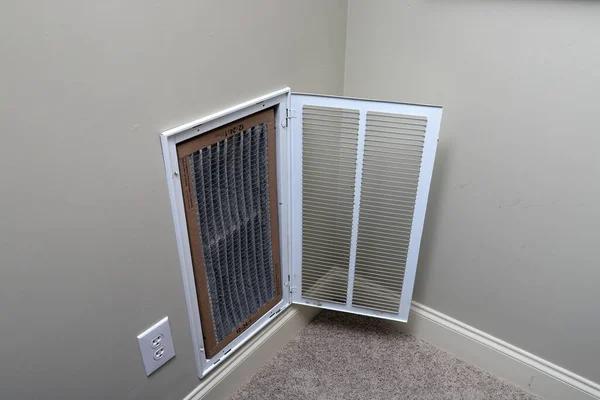
Finally, post-installation maintenance is key to preserving system performance long-term. Regular inspections by qualified professionals help catch potential issues early before they escalate into costly repairs while cleaning filters prevent dust buildup from reducing airflow efficiency.
Investing in quality HVAC installation delivers comfort year-round alongside energy savings—making it an invaluable addition whether upgrading existing infrastructure or outfitting new construction projects successfully!