Nurse call systems play a critical role in enhancing patient-centered care within healthcare facilities. These systems are designed to facilitate seamless communication between patients and healthcare providers, ensuring that patient needs are addressed promptly and efficiently. By providing a direct and reliable channel for patients to request assistance, nurse call systems contribute to improved patient satisfaction, safety, and overall quality of care.
Modern nurse call systems have evolved significantly from traditional setups. They now incorporate advanced technologies such as wireless communication, integration with electronic health records (EHR), and real-time monitoring capabilities. These features allow healthcare staff to respond more quickly to patient requests, prioritize urgent needs, and document interactions for better continuity of care. The integration of nurse call systems with other hospital infrastructure also streamlines workflows, reduces response times, and minimizes the risk of missed calls or delayed assistance.
One of the key benefits of nurse call systems in delivering patient-centered care is the empowerment of patients. When patients can easily communicate their needs—whether it is for pain management, medication, or emotional support—they feel more in control of their healthcare experience. This empowerment can lead to greater patient engagement, adherence to treatment plans, and overall wellbeing. Moreover, nurse call systems help create a more compassionate care environment by enabling healthcare providers to be more attentive and responsive to individual patient preferences and conditions.
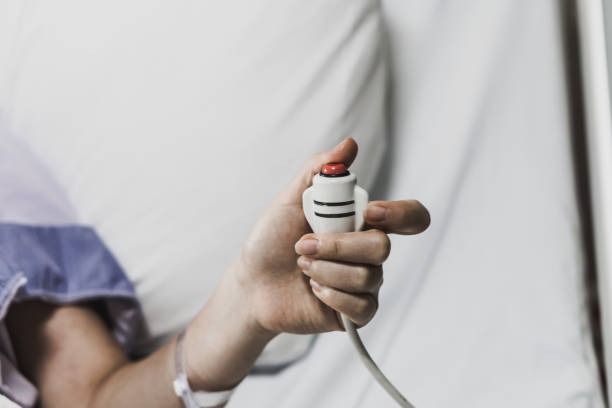
Safety is another paramount consideration enhanced by nurse call systems. In emergency situations, timely communication is vital. Modern systems often include features such as fall detection, bed exit alarms, and emergency buttons that immediately alert staff to critical issues. This rapid notification capability helps prevent adverse events and ensures that patients receive necessary interventions without delay. Additionally, nurse call systems support effective staff coordination, reducing the likelihood of errors and improving patient outcomes.
Hospitals and long-term care facilities are increasingly adopting nurse call systems that support multilingual communication and accessibility for patients with disabilities. This inclusivity aligns with the principles of patient-centered care by respecting diverse patient populations and their unique communication needs. Furthermore, data collected from nurse call interactions can be analyzed to identify patterns, optimize staffing levels, and enhance operational efficiency.
In conclusion, nurse call systems are essential tools for fostering patient-centered care by enhancing communication, safety, and patient empowerment. Their continued development and integration into healthcare settings promise to improve patient experiences and clinical outcomes, making them indispensable in modern healthcare delivery.